


Unlock Savings: Today's VA Mortgage Rates for Refinancing Your Home
December 11, 2025
Explore today's VA mortgage rates for refinancing. Learn about IRRRL, cash-out options, and how to secure the best rates to save money.

Thinking about refinancing your VA loan? It might be a good idea if you can get a better interest rate than you have now. But honestly, finding the best deal takes a bit of work. You need to understand what makes lenders offer good rates, what they look at when they check you out, and how to actually get them to give you a decent offer. Let's get into how you can find the best va mortgage refinance rates today.
Key Takeaways
- VA mortgage rates change daily based on the economy, so checking rates from different lenders often is smart.
- Your personal financial situation, like your credit score and how much debt you have, really matters when lenders decide your rate.
- Comparing offers from at least three VA-approved lenders is a good way to make sure you're getting a competitive rate.
- The VA doesn't set the rates; private lenders do, based on risk and market conditions.
- Paying for discount points upfront can lower your interest rate, but you need to figure out if the savings are worth the initial cost.
Understanding Today's VA Mortgage Rates for Refinancing

Thinking about refinancing your VA loan? It's a smart move if you can snag a better interest rate than what you're currently paying. But honestly, those advertised rates aren't the whole story. A bunch of things go into the final number you'll actually get, and knowing about them can help you figure out if now's the right time to jump in.
Factors Influencing VA Refinance Rates
Several elements play a role when lenders decide what interest rate to offer you for a VA refinance. We can break these down into two main buckets: what's happening in the wider economy and your own financial picture. It's important to remember that the Department of Veterans Affairs doesn't actually set these rates; private lenders do. They base their offers on their own costs and how risky they see your loan application to be.
Market Conditions and Economic Impact
The general state of the economy really sets the stage for mortgage rates. Things like inflation, how strong the job market is, and decisions made by the Federal Reserve all have an effect. When the economy is humming along and inflation isn't a big worry, mortgage rates often tend to be lower. On the flip side, when things get a bit shaky, rates can climb.
Here's a quick look at some economic factors:
- Inflation: Higher inflation usually leads to higher interest rates as lenders try to keep pace with rising costs.
- Federal Reserve Policy: Actions like changing the federal funds rate can influence borrowing costs across the board.
- Economic Growth: A strong economy can sometimes lead to higher demand for loans, potentially pushing rates up.
The mortgage market is always shifting. What seems like a good rate today might be different tomorrow. Staying informed about economic news can give you a better sense of where things might be headed.
Your Personal Financial Profile
Beyond the big economic picture, your own financial details are super important. Lenders look at these to gauge your ability to repay the loan. Your credit score is often one of the biggest factors a lender considers.
Here’s what lenders typically check:
- Credit Score: A higher score generally means a lower interest rate because it signals you're a lower risk.
- Debt-to-Income Ratio (DTI): This compares how much you owe each month in debt payments to your gross monthly income. A lower DTI is usually better.
- Payment History: A consistent record of paying bills on time shows lenders you're reliable.
- Loan-to-Value Ratio (LTV): For refinances, this compares the loan amount to the home's value. A lower LTV can sometimes lead to better rates.
Key VA Refinance Programs and Their Rates
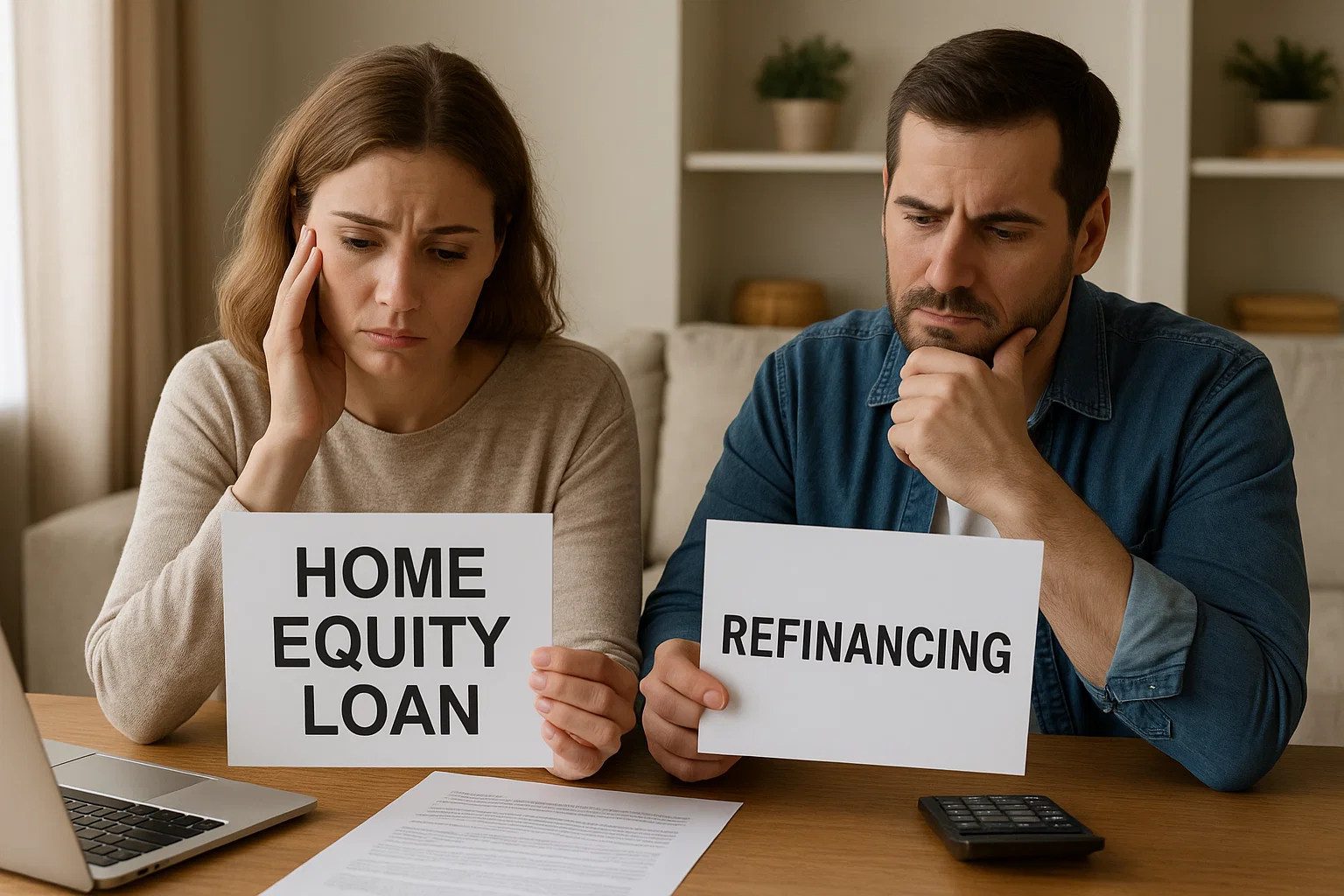
When you're looking to refinance your VA loan, there are generally two main paths you can take. Each one serves a different purpose, so it's good to know which one might fit your situation best.
Interest Rate Reduction Refinance Loan (IRRRL)
This is the go-to option if you already have a VA loan and the main goal is to get a lower interest rate. Think of it as a way to make your current mortgage payments more affordable. The biggest perk here is that it's designed to be a pretty streamlined process, often with less paperwork compared to other types of refinances. It's specifically for those looking to reduce their monthly housing cost by simply lowering the interest rate on their existing VA loan. The IRRRL is all about saving you money on interest over the life of your loan.
VA Cash-Out Refinance Rates Explained
A VA Cash-Out refinance is a bit different. It allows you to tap into the equity you've built up in your home. If your home's value has gone up since you bought it, you can refinance for more than you currently owe and get the difference in cash. This cash can be used for anything – home improvements, paying off debts, or even just having a financial cushion. The rates for a cash-out refinance might be slightly different than an IRRRL, and it involves a more thorough underwriting process because you're essentially taking out a new, larger loan.
Comparing VA Loan Types for Optimal Rates
Choosing between these two programs really depends on your financial goals. If your primary aim is just to lower your monthly payment and interest rate on your current VA loan, the IRRRL is likely your best bet. It's simpler and focused purely on rate reduction. However, if you need access to funds for other purposes and have built up equity, the VA Cash-Out refinance offers that flexibility, though it comes with a different rate structure and a more involved application.
Here's a quick look at how they generally stack up:
- IRRRL: Best for lowering interest rates and monthly payments on an existing VA loan. Usually requires less documentation.
- Cash-Out Refinance: Best for accessing home equity for other financial needs. Allows you to borrow more than your current loan balance.
It's important to remember that actual rates will vary based on market conditions, your credit score, and the specific lender. Always compare offers to find the best fit for your situation.
Maximizing Savings with VA Mortgage Rates Refinance
Refinancing your VA mortgage isn't just about getting a new loan; it's about making your money work harder for you. For many veterans, this means finding ways to lower monthly costs, access funds for important needs, or simply gain more financial stability. It's a smart financial move that can pay off significantly over time.
Reducing Your Interest Rate for Long-Term Savings
One of the most common and impactful reasons to refinance is to snag a lower interest rate. If market rates have dropped since you took out your original VA loan, you could be looking at some serious savings. Even a small decrease in your interest rate can translate into thousands of dollars saved over the life of your loan. This not only lowers your monthly payment, freeing up cash flow, but also reduces the total amount of interest you'll pay.
Here's a simple way to see the potential impact:
- Current Loan: $200,000 at 5.0% interest for 30 years.
- Potential Refinance: $200,000 at 4.0% interest for 30 years.
While the principal amount is the same, the monthly payment for principal and interest could drop by over $150. Over 30 years, that's a saving of more than $54,000!
Always remember to factor in closing costs when calculating your savings. You want to make sure the money you save on interest over time outweighs the upfront expenses of the refinance.
Access Home Equity for Financial Flexibility
Has your home's value gone up since you bought it? A VA Cash-Out Refinance lets you tap into that equity. You can borrow more than you currently owe on your mortgage and get the difference in cash. This extra money can be a lifesaver for various needs. Think about using it for:
- Home improvements or repairs
- Paying off high-interest debt like credit cards or personal loans
- Covering unexpected medical expenses
- Funding educational costs for your family
- Making a large purchase or investment
It's a way to convert a portion of your home's value into usable funds, providing a financial cushion when you need it most.
Convert From an Adjustable to a Fixed-Rate Mortgage
If you currently have an adjustable-rate mortgage (ARM), you know the uncertainty that comes with it. Your interest rate and monthly payment can change, making budgeting difficult. Refinancing to a fixed-rate mortgage offers predictability and peace of mind. With a fixed rate, your interest rate stays the same for the entire loan term, meaning your principal and interest payment will remain consistent. This stability is a huge benefit, especially if you prefer knowing exactly what your mortgage payment will be each month. It's a way to lock in a predictable payment and avoid the stress of fluctuating rates.
Navigating the VA Refinance Rate Landscape

Understanding how VA refinance rates work is key to saving money. These rates aren't set in stone; they shift daily based on what's happening in the economy. Plus, what a lender offers you depends a lot on your personal financial situation. It’s not just about the VA loan itself, but also about the broader market and your individual creditworthiness.
VA Refinance Rate Trends and Opportunities
VA refinance rates are always on the move, which means there are often chances to lower your monthly payments or even pull some cash out of your home's equity. Keeping an eye on these trends can help you act fast when the time is right. The market can be a bit unpredictable, but knowing what to look for can make a big difference.
Here's a look at how rates have been moving for common VA refinance types:
Note: These are average rates and actual offers depend on individual factors like credit score.
How to Secure the Best VA Mortgage Rates Refinance
Getting the best rate isn't usually a walk in the park. It takes a little effort to shop around and compare offers. Remember, the VA doesn't actually set the rates; private lenders do. They base their rates on risk and market conditions, so different lenders will have different offers.
- Compare offers from at least three different VA-approved lenders. Don't just go with the first one you talk to. Getting multiple quotes is the best way to see who is offering the most competitive rate.
- Check your credit score. A higher credit score generally means a lower interest rate. If your score isn't where you want it, see if you can improve it before applying.
- Understand your debt-to-income ratio. Lenders look at how much debt you have compared to your income. Lowering your debt can help you get a better rate.
The best rate for you isn't just about the advertised number. It's about the total cost over the life of the loan, including fees and how long you plan to stay in the home. Always look at the Annual Percentage Rate (APR) for a more complete picture.
The Role of Discount Points in Refinancing
Discount points are something you can pay upfront to lower your interest rate. One point typically costs 1% of the loan amount. While this can reduce your monthly payment and save you money over time, it's not always the best move for everyone. You need to figure out if the upfront cost is worth the long-term savings based on how long you plan to keep the loan.
- Calculate the break-even point. How many months will it take for the savings from the lower rate to cover the cost of the points?
- Consider your future plans. If you think you might sell the home or refinance again in a few years, buying points might not make sense.
- Talk to your lender. They can help you run the numbers to see if buying points is a good financial decision for your specific situation.
Current VA Refinance Rate Snapshot
Today's Average VA Refinance Rates
Looking at the numbers today, December 11th, 2025, VA refinance rates are holding steady, but it's always a good idea to check for the latest figures. The market can shift, and what looks good now might change tomorrow. Keeping an eye on these rates is key to making a smart financial move.
Here's a general idea of what you might see for different types of VA refinance loans:
Remember, these are averages. Your actual rate will depend on your specific situation, like your credit score and the loan term you choose.
Rate Variations by Loan Term
It's not just the loan type that affects your rate; the length of the loan, or term, plays a part too. Shorter terms often come with lower interest rates, but they mean higher monthly payments. Longer terms usually have slightly higher rates but make your monthly payments more manageable.
- 15-Year Loans: Generally offer lower interest rates compared to 30-year loans.
- 30-Year Loans: Provide lower monthly payments, making them a popular choice for many homeowners.
- Jumbo Loans: For larger loan amounts, jumbo VA refinance rates might differ, sometimes being lower or higher depending on market conditions.
APR Considerations for VA Refinances
When you're comparing loan offers, don't just look at the interest rate. The Annual Percentage Rate (APR) gives you a more complete picture because it includes the interest rate plus other loan costs and fees. It's a better way to see the true cost of borrowing.
Always compare the APRs when looking at different refinance options. It helps you understand the total cost of the loan over its lifetime, not just the monthly payment amount. This way, you're not caught off guard by hidden fees or higher overall expenses.
For example, a loan with a slightly lower interest rate but a higher APR might actually cost you more in the long run than a loan with a slightly higher interest rate but a lower APR. It's all about the total financial picture.
Making the Most of Your VA Loan Refinance
So, you've got a VA loan and you're thinking about refinancing. That's a smart move, and it can really help your finances. It's not just about getting a new loan document; it's about making your mortgage work better for you. Think of it like giving your home loan a good tune-up.
When is the Right Time to Refinance Your VA Loan?
Deciding when to refinance isn't always a no-brainer. But, there are definitely times when it can really pay off. If you can lower your monthly payment, that's a big one. Maybe you want to pay off some high-interest debt, or perhaps you need some cash for a home project. Refinancing could be your ticket.
Here are a few situations where refinancing makes sense:
- Interest rates have dropped significantly since you got your current loan. Even a small decrease can save you a lot over time.
- You want to change your loan type, like moving from an adjustable-rate mortgage (ARM) to a fixed-rate loan for payment stability.
- You need access to cash for home improvements, education, or to pay off other debts.
- You want to shorten your loan term to pay off your home faster and save on total interest.
It's always a good idea to crunch the numbers. Look at your current loan, the potential new loan terms, and all the closing costs involved. You want to make sure the savings you gain will actually outweigh the expenses of refinancing.
Benefits of Refinancing Your VA Mortgage
Refinancing your VA mortgage comes with some pretty good perks. For starters, if current interest rates are lower than what you're paying now, you could snag a better rate. This means your monthly payment could go down, freeing up cash flow. Over the life of the loan, this can add up to thousands of dollars saved. Plus, VA loans don't have private mortgage insurance (PMI), and this benefit usually carries over to refinances, saving you even more each month.
- Lower monthly payments: A reduced interest rate can make your mortgage more affordable day-to-day.
- Reduced total interest paid: Even if your monthly payment stays similar, a lower rate or shorter term saves money long-term.
- Access to home equity: A VA cash-out refinance lets you borrow against your home's value for other needs.
- Payment stability: Switching from an ARM to a fixed-rate loan provides predictable monthly housing costs.
Is a VA Mortgage Rate Refinance Right for You?
To figure out if refinancing is the right move, think about your goals. Are you trying to lower your monthly bills? Do you need cash for something specific? Or are you looking for a more predictable payment? It's also important to look at your credit score and debt. While VA loans can be forgiving, a better credit score usually means a better interest rate. Don't forget to compare offers from different lenders. You've earned this benefit, so shop around to get the best deal possible. Calculating your break-even point, which is how long it takes for your savings to cover the closing costs, is key to making sure the refinance makes financial sense for your situation.
Final Thoughts on Refinancing Your VA Loan
So, looking at today's VA mortgage rates for refinancing shows there are definitely options out there for veterans and military members. Whether you're aiming to lower your monthly payment with a streamline refinance or need to pull some cash out for other expenses, the key is to do your homework. Rates can change daily, and what you qualify for depends a lot on your personal finances. Don't just settle for the first offer you get. Take the time to compare quotes from a few different lenders. It might seem like a bit of a hassle, but finding that better rate could save you a good amount of money over the life of your loan. Staying informed and being ready to act when the time is right is your best bet.
Frequently Asked Questions
Are VA loan rates usually lower than regular home loan rates?
Most of the time, yes! Because the VA backs a part of the loan, lenders don't take on as much risk. This often means they can offer VA loan rates that are lower than those for regular loans, especially if you have good credit and a steady job.
What's considered a good VA mortgage rate right now?
A 'good' rate changes every day and depends on your personal situation. It's smart to look up the national average for VA loans and then compare offers from at least three different lenders. This helps you see if you're getting a fair deal.
Does my credit score affect my VA loan rate?
Yes, it does. While the VA doesn't have a strict minimum score, lenders do. A higher credit score usually means you'll get a better interest rate. Paying off bills and avoiding new debt can help improve your score.
Are there limits on how much I can borrow with a VA loan?
If you have full entitlement, there's often no set limit. However, if you only have partial entitlement, limits might apply based on where you live. Lenders also look at your income and debts to make sure you can afford the loan.
Will VA loan rates go down in the future?
It's hard to say for sure. Rates depend on many things, like the economy and what the government does. It's best to keep an eye on the market and compare offers when you're ready to refinance.
What's the difference between a VA Streamline Refinance and a VA Cash-Out Refinance?
A VA Streamline Refinance (IRRRL) is mainly for lowering your interest rate on your current VA loan. A VA Cash-Out Refinance lets you borrow more than you owe and get the extra money in cash, which you can use for other things like home improvements or paying off debt.











Get in touch with a loan officer
Our dedicated loan officers are here to guide you through every step of the home buying process, ensuring you find the perfect mortgage solution tailored to your needs.
Options
Exercising Options
Selling
Quarterly estimates
Loans
New home

Stay always updated on insightful articles and guides.
Every Monday, you'll get an article or a guide that will help you be more present, focused and productive in your work and personal life.








.png)
.png)
.png)
.png)
.png)
.png)
.png)
.png)
.png)
.png)
.png)
.png)
.png)
.png)
.png)
.png)
.png)
.png)