


Unlock Savings: Your Guide to Refinance Mortgage Options in New Jersey
December 13, 2025
Explore your refinance mortgage New Jersey options. Learn how to navigate the process, compare rates, and maximize savings for your home.

Thinking about a refinance mortgage in New Jersey? It's a big decision, and honestly, sometimes it feels like a lot to sort through. You might be wondering if now is the right time to swap your current loan for a new one with different terms. Maybe you're hoping for a lower monthly payment, or perhaps you want to pay off your home faster. Whatever your reason, understanding your options for a refinance mortgage in New Jersey is the first step to potentially saving money and improving your financial situation. Let's break down what you need to know.
Key Takeaways
- Refinancing your mortgage in New Jersey can help lower your monthly payments or pay off your home sooner. It's also a way to access your home's equity for other expenses.
- To get the best refinance mortgage rates in New Jersey, focus on improving your credit score and keeping your debt-to-income ratio low. Paying attention to these details can make a real difference.
- Current mortgage refinance rates in New Jersey are influenced by economic factors like the U.S. Treasury Note and housing market conditions. It's good to keep an eye on these trends.
- You have several types of refinance mortgage options in New Jersey, including conventional, FHA, VA, and jumbo loans. Each has its own set of rules and benefits.
- Always compare offers from different lenders when looking for a refinance mortgage in New Jersey. Don't just look at the interest rate; consider all the costs involved to find the best deal for you.
Understanding Your Refinance Mortgage New Jersey Options

So, you're thinking about refinancing your mortgage here in New Jersey. That's a big step, and it's smart to get a handle on what's involved before you jump in. Refinancing basically means you're replacing your current home loan with a new one that has different terms. People do it for all sorts of reasons, and knowing these can help you figure out if it's the right move for you right now.
Common Motivations for Refinancing
Why would someone want to refinance? Well, the most common reason is usually to get a better interest rate. If rates have dropped since you got your original mortgage, you could save a good chunk of change over time. Even a small drop in your interest rate can mean significant savings each month. Another big driver is changing your loan term. Maybe you want to pay off your house faster, or perhaps you need to lower your monthly payments to make ends meet. Some folks also use refinancing to tap into their home's equity, pulling out cash for things like home improvements or to pay for college. And if you have an adjustable-rate mortgage that's about to reset higher, switching to a fixed rate can offer peace of mind.
Exploring Different Loan Types Available
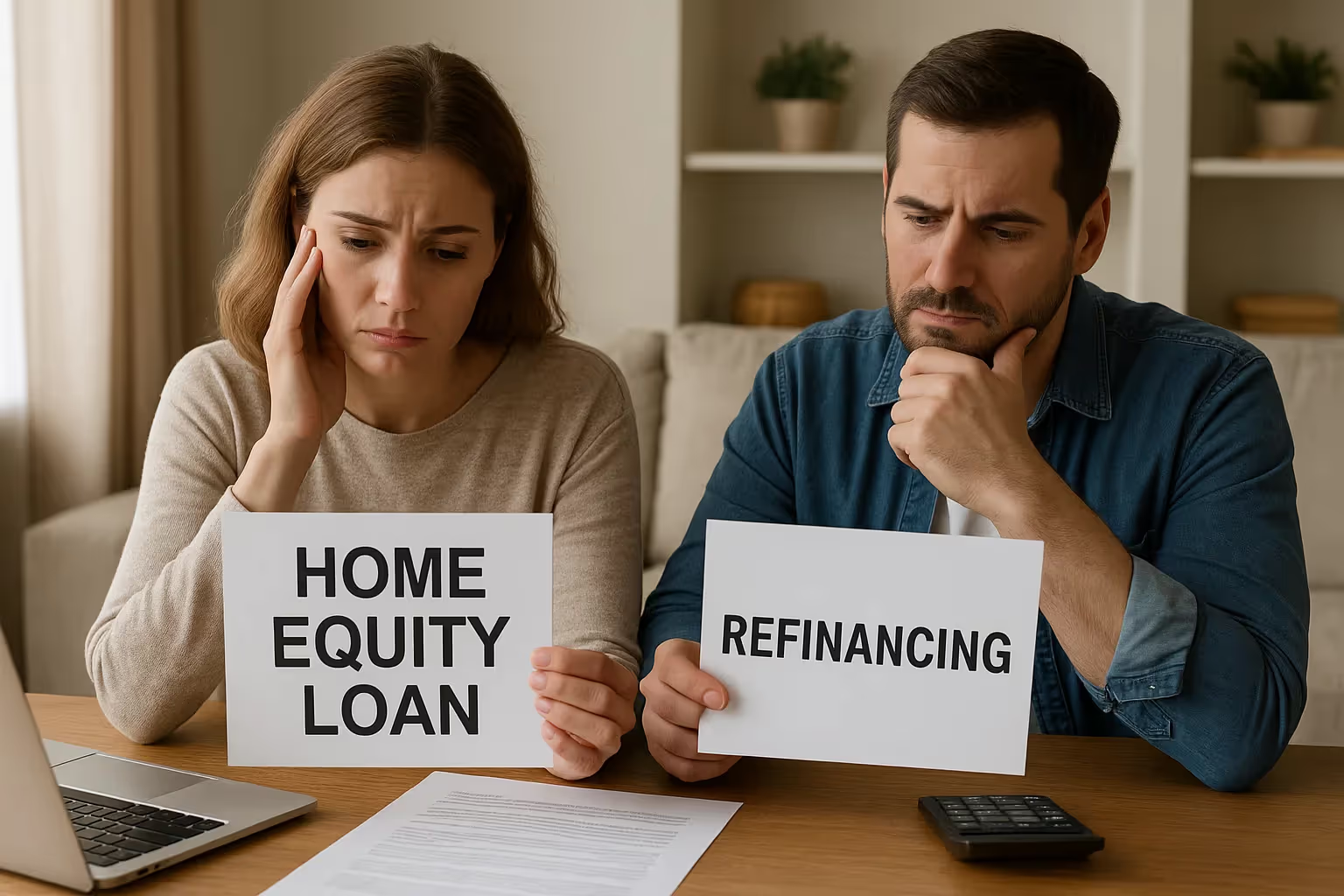
When you refinance, you're not just getting a new rate; you're also choosing a new loan type. The most common is a conventional mortgage refinance. But there are others too. You might look into an FHA refinance if you currently have an FHA loan, or a VA refinance if you're a veteran. For those with very large loan balances, a jumbo loan refinance might be necessary. And don't forget about cash-out refinances, which let you borrow more than you owe and take the difference in cash. It's a lot to consider, and each type has its own set of rules and benefits.
Key Factors Influencing Refinance Rates
What determines the interest rate you'll get when you refinance? A few things play a role. Your personal financial situation is a big one – things like your credit score and your debt-to-income ratio matter a lot. Lenders want to see that you're a reliable borrower. Beyond that, broader economic factors are at play. The bond market, especially the 10-year U.S. Treasury Note, often influences mortgage rates. When those bond yields go up, mortgage rates tend to follow. The overall health of the economy and even the local housing market can also affect what rates are available. It's a mix of your personal finances and what's happening in the wider world.
Refinancing your mortgage isn't just about getting a lower rate. It's about aligning your home loan with your current financial goals and circumstances. Whether that means saving money, adjusting your payment schedule, or accessing your home's equity, understanding the options available is the first step to making a smart decision for your New Jersey home.
Here's a quick look at some current rates for different loan types in New Jersey:
Remember, these are just averages, and your specific rate will depend on many factors. Comparing offers from different lenders is key to finding the best deal for your situation. You can start by looking at current mortgage rates to get an idea of what's out there.
Navigating the Refinance Process in New Jersey
So, you're thinking about refinancing your mortgage here in New Jersey. It sounds like a big deal, and honestly, it can be. But it doesn't have to be a confusing mess. Getting a handle on the process is the first step to making sure you get the best deal possible for your situation. It’s all about being prepared and knowing what to expect.
Steps to Secure the Best Interest Rate
Getting the lowest interest rate isn't just about luck; it's about strategy. Lenders look at a few key things when deciding what rate to offer you. Your credit score is probably the most important factor they consider. A higher score generally means a lower rate because it tells lenders you're a reliable borrower.
Here’s a breakdown of what helps:
- Credit Score: Aim for the highest score you can. Pay all your bills on time, every time. Keep your credit card balances low – ideally below 30% of your limit, but even better if it's under 10%. Avoid opening a bunch of new credit accounts right before you apply.
- Debt-to-Income Ratio (DTI): This is what you owe each month compared to how much you earn before taxes. Lenders like to see this number low, usually under 36%. If you have a lot of debt, like car payments or student loans, it can make this ratio higher.
- Down Payment/Equity: If you're refinancing, having a good chunk of equity in your home (meaning you own a significant portion of its value) can help. For some loans, like FHA refinances, having 20% equity means you can stop paying mortgage insurance.
- Loan-to-Value Ratio (LTV): This is the flip side of equity. It's the loan amount compared to the home's value. A lower LTV is generally better.
Preparing Your Financial Profile
Before you even talk to a lender, get your financial house in order. This means gathering all the paperwork and making sure your financial story is a good one. Think of it like getting ready for a job interview – you want to present your best self.
- Gather Documents: You'll need proof of income (pay stubs, tax returns), bank statements, and details about your current mortgage. Lenders will also want to see information about any other debts you have.
- Check Your Credit Report: Get copies of your credit reports from the major bureaus. Look for any errors and dispute them. Small mistakes can sometimes have a big impact on your score.
- Assess Your Budget: Figure out exactly how much you can comfortably afford for a monthly mortgage payment. This will help you decide if a shorter loan term or a cash-out refinance makes sense for you. It’s also good to have some cash saved up for closing costs, though some lenders offer options to roll these into the loan.
Refinancing involves a detailed underwriting process. This process includes a comprehensive verification of your financial information, credit history, and property details. The lender uses this information to assess your eligibility and terms for refinancing.
Comparing Lender Offers for Optimal Savings
Once you've prepped your finances and know what you're looking for, it's time to shop around. Don't just go with the first lender you talk to. Different lenders have different rates and fees, and even a small difference can add up to thousands of dollars over the life of your loan. It’s worth the effort to compare.
- Get Multiple Quotes: Reach out to at least three to five different lenders. This includes banks, credit unions, and mortgage brokers. Brokers can often shop your application around to many lenders at once.
- Look Beyond the Rate: While the interest rate is super important, don't forget about the fees. Ask for a Loan Estimate from each lender. This document breaks down all the costs, including origination fees, appraisal fees, title insurance, and more. Sometimes a slightly higher rate with lower fees can be a better deal overall.
- Understand the Total Cost: Calculate the total amount you'll pay over the life of the loan for each offer, including interest and fees. This gives you a clearer picture of which refinance option will save you the most money. You can use online calculators to help with this comparison. Remember, a lower rate can significantly impact your monthly payment and long-term savings, potentially putting hundreds back in your pocket each month.
Analyzing Current Mortgage Refinance Rates in New Jersey
Understanding what's happening with mortgage refinance rates in New Jersey is pretty important if you're thinking about changing your loan. It's not just about picking a number; it's about seeing how the bigger picture affects what you'll pay over the next few years.
Economic Indicators Affecting Mortgage Rates
Lots of things outside your control can nudge mortgage rates up or down. Think about the bond market, especially the 10-year U.S. Treasury Note. When those rates climb, mortgage interest usually follows suit. The overall health of the economy plays a role too. A strong job market and growing economy can push rates higher, while a slowdown or recession often brings them down. Lenders also watch housing inventory. If there are tons of homes for sale and not enough buyers, they might lower rates to attract business.
Historical Rate Trends in New Jersey
Looking back can give you some perspective. For instance, in 2021, the average 30-year fixed refinance rate was around 3.15%. By 2023, that number had jumped to about 7.00%. These big swings are often tied to economic events and decisions made by the Federal Reserve. While past performance doesn't guarantee future results, knowing these trends can help you decide if now is a good time to refinance. For example, if you locked in a rate below 4% a few years back, refinancing today might not make sense. But if your rate is closer to 7% or 8%, it could be worth exploring.
Here's a quick look at how rates have shifted over the years:
Impact of Interest Rates on Home Affordability
Interest rates directly impact how much you can afford and what your monthly payment will look like. It's pretty straightforward: a higher rate means a higher payment. For example, on a $200,000 loan, a rate of 6.00% might mean a monthly payment of $1,199. But if that rate jumps to 8.00%, your payment could go up to $1,467. Over the life of the loan, even a small difference in the interest rate can add up to tens of thousands of dollars in savings or extra costs. Securing a lower interest rate through refinancing can significantly reduce your total borrowing cost.
When you're looking at refinance rates, remember that the Annual Percentage Rate (APR) often gives a more complete picture than just the interest rate alone. APR includes certain fees and costs associated with the loan, so it's a good idea to compare APRs when you're looking at different lender offers. This helps you see the true cost of the loan.
As of December 13, 2025, the average 15-year fixed refinance rate is around 5.53%, while the 30-year fixed rate is about 6.23%. These figures can change daily, so it's always best to check current mortgage rates for the most up-to-date information. If your current rate is significantly higher, it might be time to look into refinancing options available in New Jersey.
Maximizing Savings with a Refinance Mortgage New Jersey

So, you're thinking about refinancing your mortgage here in New Jersey. That's a smart move if you're looking to get more out of your home loan. It's not just about getting a lower interest rate, though that's a big part of it. Refinancing can really change your financial picture for the better.
The Financial Benefits of Lowering Your Rate
Let's talk numbers. Even a small drop in your interest rate can add up to serious cash in your pocket over time. Imagine shaving off a full percentage point from your current rate. On a $300,000 loan, that could mean saving close to $200 every single month. Over the life of a 30-year mortgage, that's thousands upon thousands of dollars saved. It's like getting a raise without changing your job.
- Reduced Monthly Payments: This is the most immediate benefit. Lower payments mean more breathing room in your budget.
- Significant Long-Term Savings: Paying less interest over the loan's life frees up money for other goals.
- Improved Cash Flow: Extra money each month can be used for savings, investments, or unexpected expenses.
When you refinance, you're essentially getting a new loan to pay off your old one. The goal is to get better terms, and the most common way to do that is by securing a lower interest rate. This can make your mortgage more affordable and save you a lot of money in the long run.
Adjusting Loan Terms for Better Cash Flow
Sometimes, the best way to save isn't just about the rate. It's about how the loan fits your life. Maybe your income has changed, or you have new financial priorities. Refinancing lets you adjust the loan term. You could shorten it to pay off your home faster, or if you need more monthly flexibility, you could extend it. It's all about making your mortgage work for you, not the other way around.
Leveraging Home Equity Through Cash-Out Refinancing
Did you know your home equity could be a source of funds? A cash-out refinance lets you borrow more than you owe on your current mortgage and take the difference in cash. This can be a great way to pay for big expenses like home renovations, college tuition, or even consolidating high-interest debt. It's like tapping into your home's value to meet other financial needs. Just remember, you're increasing your mortgage balance, so be sure it makes financial sense for your situation.
Here's a quick look at how cash-out refinancing can be used:
- Home Improvements: Fund that kitchen remodel or addition you've been dreaming of.
- Education Costs: Cover tuition fees for yourself or your children.
- Debt Consolidation: Pay off credit cards or other loans with higher interest rates.
- Emergency Fund: Build up a safety net for unexpected events.
Specific Refinance Programs for New Jersey Homeowners
Conventional Mortgage Refinance Details
Refinancing a conventional mortgage is a common route for many New Jersey homeowners. These loans aren't backed by government agencies like the FHA or VA. The main draw here is often to snag a lower interest rate, especially if your credit score has improved since you first took out the loan. You might also consider refinancing to switch from an adjustable-rate mortgage (ARM) to a fixed-rate loan, giving you more predictable monthly payments. Another reason could be to shorten your loan term, meaning you'll pay off your home faster and save on interest over time. Generally, having a good credit score and a solid payment history makes you a strong candidate for the best rates on conventional refinances.
FHA and VA Loan Refinance Possibilities
If you have an FHA (Federal Housing Administration) loan, refinancing can be particularly beneficial. One big perk is the possibility of getting rid of your FHA mortgage insurance premium (MIP) if you've built up enough equity, typically around 20%. This can lead to a noticeable drop in your monthly payment. For veterans and active-duty military personnel with VA loans, there's the Interest Rate Reduction Refinance Loan (IRRRL), often called a "streamline refinance." This option is designed to be simpler and faster, with fewer closing requirements, making it easier to lower your interest rate or switch to a fixed rate.
Jumbo Loan Refinance Considerations
Jumbo loans are for loan amounts that exceed the conforming loan limits set by Fannie Mae and Freddie Mac. Refinancing these larger loans in New Jersey comes with its own set of considerations. Because the loan amounts are higher, even a small change in interest rate can mean a significant difference in your monthly payment and total interest paid over the life of the loan. Lenders will look closely at your financial profile, including your credit score, income, assets, and debt-to-income ratio, often with stricter requirements than for conforming loans. Securing a lower interest rate on a jumbo loan can result in substantial savings.
Refinancing isn't just about getting a lower rate. It's about aligning your mortgage with your current financial goals, whether that's reducing monthly costs, paying off your home sooner, or accessing your home's equity for other needs. Always compare offers carefully.
Wrapping It Up
So, refinancing your mortgage in New Jersey might seem like a lot, but it really can make a difference in your wallet. Whether you're trying to snag a lower interest rate, change your loan term, or pull out some cash, there are options out there. Just remember to do your homework, check your credit, and shop around with different lenders. Getting a good rate isn't just about the number you see; it's about the total cost over time. Taking these steps can help you find a better deal and feel more in control of your finances. Good luck out there!
Frequently Asked Questions
Why would someone want to refinance their mortgage in New Jersey?
People often refinance to get a lower interest rate, especially if their credit score has improved or market rates have dropped. Others might want to change their loan's length, like paying it off faster before retirement or extending it to lower monthly payments. Some also use refinancing to pull cash out of their home for big expenses like college or home improvements.
What's the best way to get a good interest rate when refinancing?
To snag the best rate, focus on your credit score by paying bills on time and keeping debt low. Also, try to keep your debt-to-income ratio in check. Comparing offers from different lenders is super important, and don't forget to look at all the costs, not just the rate itself. Sometimes, paying a little extra upfront, called 'points,' can also lower your rate.
How do economic conditions affect mortgage refinance rates in New Jersey?
Things like the bond market, especially the 10-year U.S. Treasury Note, play a big role. When those rates go up, mortgage rates often follow. The overall health of the economy matters too; a strong economy can push rates higher, while a weaker one might lead to lower rates. Housing market trends, like how many homes are for sale, can also influence lender rates.
How much money can refinancing actually save me?
Even a small drop in your interest rate can lead to big savings over time. For example, cutting your rate by just 1% on a $300,000 loan could save you nearly $200 every month. Over the years, this can add up to tens of thousands of dollars, making a significant difference in your finances.
Are there special refinance programs for New Jersey homeowners?
Yes, New Jersey offers various options. Besides standard conventional loans, there are FHA and VA loans for those who qualify, which can be helpful if your credit isn't perfect or if you're a veteran. Jumbo loans are available for larger loan amounts. Some programs, like those from NJHMFA, can even help with down payments or offer special rates for police and firefighters.
What's a 'cash-out' refinance?
A cash-out refinance means you get a new mortgage for more than you currently owe on your home. The difference between your old loan balance and the new, larger loan is given to you in cash. This is a popular way to tap into your home's equity to pay for things like home renovations, education costs, or other major expenses.












Get in touch with a loan officer
Our dedicated loan officers are here to guide you through every step of the home buying process, ensuring you find the perfect mortgage solution tailored to your needs.
Options
Exercising Options
Selling
Quarterly estimates
Loans
New home

Stay always updated on insightful articles and guides.
Every Monday, you'll get an article or a guide that will help you be more present, focused and productive in your work and personal life.








.png)
.png)
.png)
.avif)
.avif)
.avif)
.png)
.png)
.png)
.avif)
.png)
.png)
.avif)
.png)
.avif)
.png)
.avif)
.avif)